7 Best Smart Home Devices for Renters on Month-to-Month Lease (2026)
I moved into a month-to-month studio three years ago, and the first thing I learned was that my landlord had a strict no-drill policy—and a habit of showing up with 24 hours’ notice. After two failed attempts with peel-and-stick hooks that left sticky residue on the wall, I realized my smart home strategy needed a complete overhaul. The classic advice—buy a smart thermostat, install a video doorbell, hardwire everything—was useless for someone who could be out the door in 30 days. I needed devices that could be packed into a single box, installed without tools, and leave zero trace behind.
That month, I tested over a dozen gadgets, returned half, and settled on seven that actually worked for my lease. Here’s the honest list of the best smart home devices for renters on a month-to-month lease in 2026—each one chosen for portability, no-permanent-modification installation, and a price tag that won’t break your deposit.
Why Renters on Month-to-Month Leases Need a Different Smart Home Strategy
If you’re on a month-to-month lease, you’re living with a ticking clock. You might decide to move with two weeks’ notice, and your landlord can do the same (depending on local laws). That means every device you buy has to be unpackable in an afternoon and reinstallable in your next place without calling an electrician. Permanent modifications—like drilling holes for a doorbell, rewiring a thermostat, or mounting a camera to the siding—can cost you your security deposit or lead to a nasty email from your property manager.
Beyond the practical constraints, there’s a psychological shift. Month-to-month living often means smaller spaces, shared walls, and limited storage. You can’t fill a closet with smart home hubs and extra cables. You need a system that’s lean, wireless, and app-controlled—no permanent hubs or complex wiring. In my own setup, I learned that the best devices are the ones you can grab and go, literally stuffing them into a backpack during a move. That’s the lens I used for this list: no device required more than a screwdriver (and most needed none), none left marks on walls or paint, and all worked reliably on a standard Wi-Fi network.
The 7 Best Smart Home Devices for Renters on Month-to-Month Lease (2026)
Here’s the list I wish I had when I started. I’ve ranked them by versatility, ease of removal, and whether they actually improve daily life without locking you into a contract or a wall.
1. Kasa Smart Plug Mini (EP25) – The No-Brainer Starter
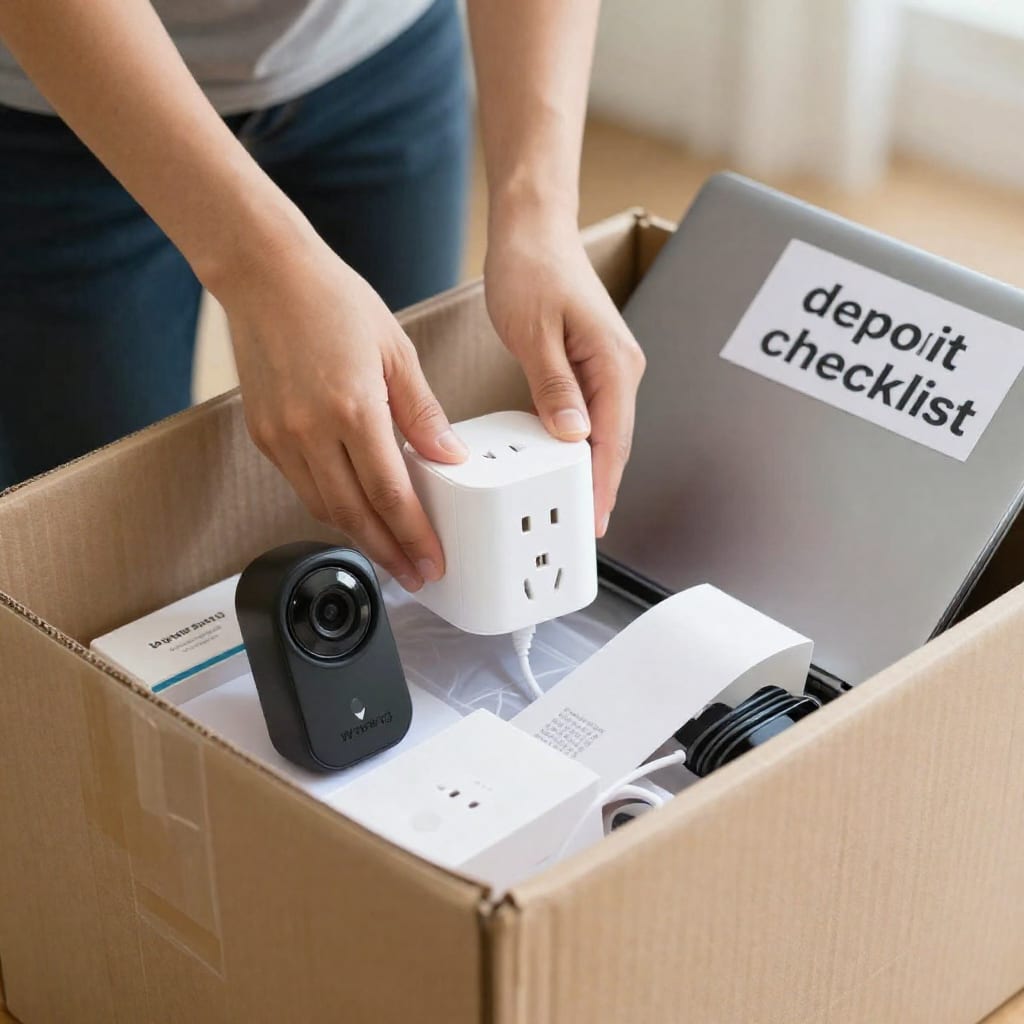
I own four of these. They’re the size of a thumb drive, plug into any outlet, and control lamps, fans, or small appliances via the Kasa app. No hub, no wiring, no deposit risk. The energy monitoring feature is a bonus for tracking the AC unit’s usage. The only downside: if you use adhesive mounting strips to hold them in place, test on an inconspicuous spot first—some paints peel. I stick mine directly into the outlet and let them dangle; they’ve never fallen out.
2. Philips Hue White Ambiance Smart Bulb (Starter Kit) – Portable Light Control
Smart bulbs are the ultimate renter’s friend because they screw into existing fixtures. The Hue White Ambiance bulbs let you adjust color temperature from warm yellow to cool daylight—perfect for a windowless rental bedroom. The starter kit includes a hub, but you can skip it and use Bluetooth if your apartment is small. When I moved, I unscrewed every bulb, packed them in a sock, and reinstalled the original bulbs in the landlord’s fixtures. Zero damage, zero hassle. The trade-off: if you have a dozen bulbs, the cost adds up, and the hub takes up one Ethernet port.
3. Wyze Cam v3 – Wireless Security Without a Subscription
Security cameras are tricky for renters because landlords often forbid drilling. The Wyze Cam v3 sits on a shelf or mounts with a screw-in base that uses a single small screw—or you can use the included adhesive metal plate. I used the adhesive option on a bookshelf; it held for eight months and peeled off cleanly with a little heat from a hairdryer. The camera records to a microSD card with no monthly fee, supports night vision, and has a two-way talk feature. Just be aware: it’s indoor-rated, so outdoor use requires a weatherproof enclosure, and the adhesive might leave residue on textured walls.
4. August Wi-Fi Smart Lock (4th Gen) – Door Security Without Drilling
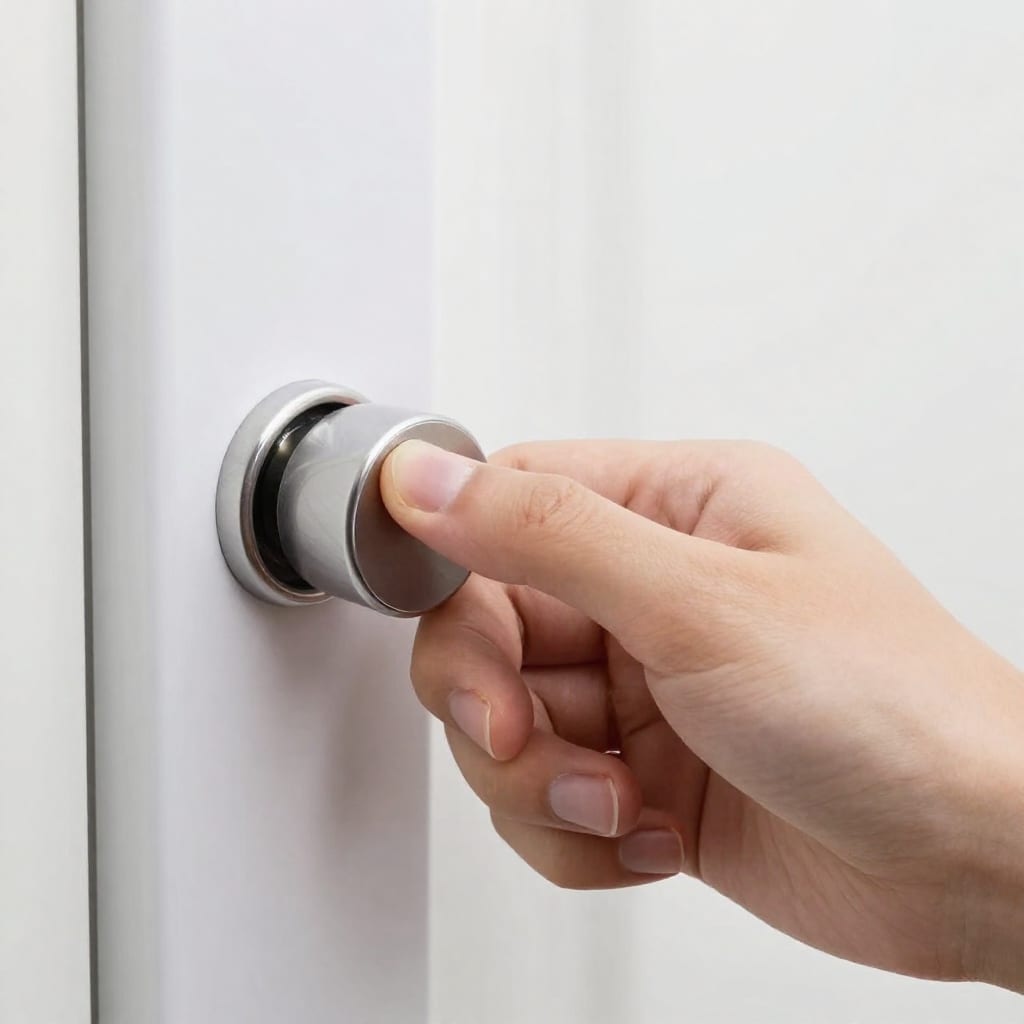
The August Smart Lock replaces only the interior thumb turn of your deadbolt. You keep the original lock cylinder, so your landlord’s key still works. Installation takes about 10 minutes with a screwdriver—no drilling, no wiring. I installed it in my apartment, and when I moved, I simply swapped the original thumb turn back on. The lock works with Apple Home, Alexa, and Google Home, and it auto-locks when you leave. The catch: it’s expensive (around $230), and some older doors have non-standard deadbolts that don’t fit. Always check the compatibility guide before buying.
5. Nest Thermostat (2020 Model, No C-Wire Required) – Climate Control That Moves With You
Most smart thermostats require a C-wire, which many rentals don’t have. The Nest Thermostat (the entry-level model, not the Learning version) is designed to work without one in most homes. I installed it in my rental after getting written permission from my landlord (a good practice—ask first, save your deposit). The installation involves snapping off the old thermostat face, labeling wires, and plugging them into the Nest base. It took 15 minutes. When I moved, I reinstalled the original thermostat in the same time. The risk: if your system is incompatible (check Nest’s online tool), you could be stuck with a $130 paperweight. Also, some landlords explicitly ban thermostat swaps, so always check.
6. Amazon Echo Dot (5th Gen) – Voice Assistant That Doubles as a Smart Hub
An Echo Dot is the Swiss Army knife of a renter’s smart home. It sits on a shelf, plugs into a wall outlet, and controls lights, plugs, and locks via voice. The 5th gen model has a temperature sensor and a built-in Zigbee hub, so you can connect compatible smart bulbs and sensors without a separate bridge. I use mine to set morning routines, control my Kasa plugs, and check the weather. The only downsides: it needs a power outlet, and the microphone might pick up noise from thin apartment walls. Place it away from shared walls for better privacy.
7. Ring Video Doorbell (Battery-Powered, No Subscription) – Front-Door Peace of Mind
Traditional video doorbells require drilling into brick or siding. The battery-powered Ring model uses an adhesive mount or a small bracket that screws into the door frame (with two tiny screws—ask your landlord first). I used the adhesive mount on my metal door frame; it held for a year and peeled off without residue. The doorbell runs on a rechargeable battery, records motion events to the cloud with a free plan (limited to 30 days of snapshots), and alerts your phone. The catch: battery life varies—expect to recharge every 2–3 months in high traffic. And if your doorbell button is in a tricky spot, the adhesive might not hold in extreme heat or cold.
What to Look For in a Smart Home Device When You’re Month-to-Month
After testing all these devices, I developed a quick checklist that I now use before buying anything:
- No-drill installation – Look for phrases like “adhesive mount,” “screwless base,” or “replaces existing thumb turn.” If the product page mentions drilling, it’s a hard pass unless you have written permission.
- Adhesive that removes cleanly – Not all adhesives are created equal. Command strips (3M’s removable line) are usually safe, but generic stick-on pads can leave sticky residue or peel paint. Test on a hidden area first, or use a hairdryer to soften adhesive before removal.
- App-based control with no hub required – Devices that work over Wi-Fi directly (like Kasa plugs or Wyze cams) are easier to pack and move than those that need a proprietary hub. Hubs add bulk and a power cord.
- Battery or plug-in power, not hardwired – Battery-powered devices (Ring doorbell, Wyze cam) give you placement freedom. Plug-in devices (Echo Dot, smart plugs) are fine as long as you have accessible outlets.
- Compatibility with your phone’s ecosystem – If you’re an iPhone user, check for Apple Home or HomeKit support. Android users prefer Google Home. Voice assistants like Alexa or Google Assistant add convenience but aren’t mandatory.
- No long-term subscription required – Many smart home devices push monthly fees for cloud storage. Look for local recording (microSD card) or free basic plans. Avoid devices that lock core features behind a paywall.
One counter-intuitive insight I learned: cheaper devices aren’t always better for portability. A $10 smart plug might not have removable adhesive, while a $20 Kasa plug includes a peel-and-stick base that’s easy to remove. Sometimes spending a few extra dollars saves you a deposit headache.
Smart Home Upgrades You Can Take With You (and What to Leave Behind)
Not every smart home device is portable. I made the mistake of buying a smart light switch that required rewiring the entire wall box. It worked great in my apartment, but when I moved, I had to rewire the old switch back—and I nearly shorted the circuit. That was a wake-up call. Here’s a practical breakdown of what’s worth taking and what’s better left behind:
Take With You:
- Smart plugs, bulbs, and power strips – These are the easiest to pack. Just unscrew or unplug and go.
- Wireless cameras and doorbells – Battery-powered models with adhesive mounts can be removed in seconds. Save the adhesive strips for your next place.
- Voice assistants and smart speakers – They plug into any outlet and take up a shoebox.
- Smart locks that replace only the interior thumb turn – Keep the original part in a labeled baggie, and reinstall it on move-out day.
- Thermostats that are easy to swap – Only if you kept the original and have the wiring diagram. Take a photo before you install.
Leave Behind (or Don’t Buy in the First Place):
- Hardwired smart switches or dimmers – These require rewiring your home’s electrical system. They’re permanent and can void your lease if installed without permission.
- Smart smoke detectors – Many are hardwired into the building’s system. Removing them can trigger false alarms or violate fire code.
- Smart garage door openers – If your rental has a garage, the opener is often built into the structure. Don’t modify it.
- Any device that uses a proprietary hub that requires mounting to a wall – Hubs that need to be screwed into studs are a no-go.
One more thing: always take photos of your rental before installing anything. If a device leaves a mark, you’ll have evidence of the pre-existing condition. And if you’re worried about your deposit, ask your landlord in writing—most are fine with battery-powered gadgets as long as you restore the unit to its original state.
[IMAGE:3 A renter packing a Wyze Cam v3 and Kasa smart plug into a moving box alongside a notebook labeled